How massage helped Tasha relax

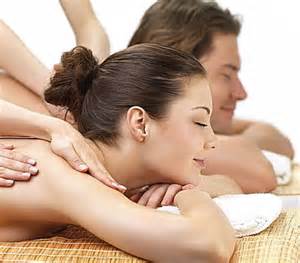
Tasha is getting married in a week and is feeling a bit overwhelmed by all the planning and upcoming activities. Tasha’s best friend gives her a gift certificate for a 60-minute massage to help her relax and reduce her stress.
Tasha has had clinical massages before that focused on reducing knots in her shoulders and neck.
However, during this massage, Tasha states that she primarily needs some time to recharge, get centered, rejuvenate, refresh, and float away. Tasha chooses the music and type of oil, and she and the therapist agree that the session will be for relaxation only, with no clinical techniques.
The therapist suggests that Tasha stops thinking about all the things that need to be done, consciously set aside her to-do list, and focus on quieting her mind and relaxing her body by slowing her breathing. To facilitate relaxation, Tasha and the therapist agree not to talk.
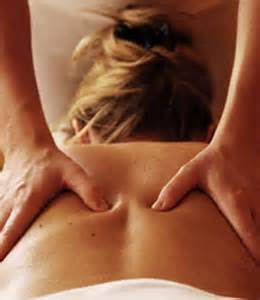
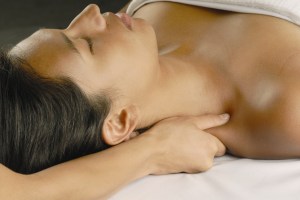
The massage therapist uses techniques typically used in relaxation massage, such as kneading and passive stretching of muscles in the neck and back, as well as gliding strokes on both the front and back of legs and arms.
At the end of the session, Tasha is revitalized and confident that she will be able to manage all her tasks before the wedding. To preserve her sense of peace and relaxation, Tasha decides not to run errands right away but to go straight home and relax.

What is Aromatherapy

Definition
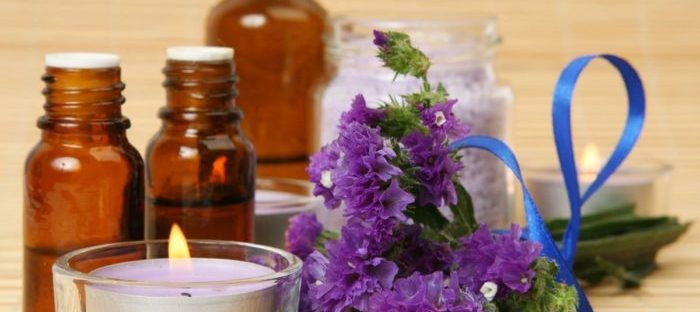
Aromatherapy is a fascinating alternative medicine that involves the use of volatile plant materials, also known as essential oils, that can be aromatically inhaled by patients of a wide variety of health conditions. It is often used to improve mood, change cognitive states, and can also be utilized as a supplemental medicine.
An important element of aromatherapy is synergy, which is the combination of numerous essential oils that can create a more powerful effect than the oils would have on their own. Blending essential oils is such an important area of study for alternative healers since the range of possibilities is almost endless. However, it is important to always do your consultation with trained aromatherapists, as some essential oils can trigger allergies, and can actually be toxic if mixed improperly. Furthermore, most aromatherapy treatments with essential oils are diluted in a carrier oil of some kind, to make the effects slightly less potent. If you use too strong of a concentration of essential oils in aromatherapy, it can result in a wide range of negative side effects.

Benefits of aromatherapy
Some of the health benefits of aromatherapy include its ability to reduce anxiety, ease depression, boost energy levels, speed up the healing process, eliminate headaches, boost cognitive performance, induce sleep, strengthen the immune system, reduce pain, improve digestion, and increase circulation.
Stress Relief: Perhaps the most widespread and popular use of aromatherapy is for stress relief. The aromatic compounds from many different essential oils are known as relaxants and can help to soothe your mind and eliminate anxiety. This is what most people who perform aromatherapy at home use it for since the mixtures are very simple and the research on this aspect of aromatherapy is very well-known and widely studied. Some of the best essential oils for stress relief are lemon oil, lavender, bergamot, peppermint, vetiver, and ylang-ylang essential oils. Certain studies have also shown that lemon oil can improve mood and reduce outbursts of anger.
Antidepressant Capacity: Second to stress relief, aromatherapy is very commonly used to eliminate feelings of depression, and due to the very complicated side effects of pharmaceutical antidepressants, this is a very important function of aromatherapy. While this is useful as a complementary treatment, psychological help or counseling should be sought out if depression continues or worsens. In terms of the best essential oils to use for reducing depression, most specialists suggest peppermint, chamomile, lavender, and jasmine.
Memory: One of the most frightening and widespread diseases affecting older people is memory loss and the inability to form short term memories. While Alzheimer’s is still considered an incurable disease, there are certain ways to reduce or slow down the progression of the condition. Aromatherapy has often been turned to as an alternative or supplemental treatment for dementia and Alzheimer’s disease. Studies have also shown the efficacy of aromatherapy in younger patients in terms of boosting their memory capacity for a certain amount of time after the treatment. This refreshing burst for the brain can be useful in all walks of life, no matter what age you are! Sage oil is the most commonly recommended oil for this sort of memory-enhancing effect.
Boost Energy Levels: We can all use more energy to get through the hectic daily tasks of modern life. However, stimulants like coffee, cigarettes, energy pills, or even illegal substances can have very damaging effects on the body. While diet and exercise can also help, many people turn to aromatherapy to put a bit more pep in their step. Many essential oils are known to increase circulation, raise energy levels, and generally stimulate the body and mind, without the dangerous side effects of other stimulating substances. The best essential oils for giving yourself an energy boost include black pepper, cardamom, cinnamon, clove, angelica, jasmine, tea tree, rosemary, and sage.
Healing and Recovery: As stimulants, many essential oils can help increase the rate of healing throughout the body. This can be due to increased oxygen and blood flow to wounds as well as more internal healing processes like those following surgeries or illness. The anti-microbial properties of certain essential oils also keep the body protected during these delicate healing stages of the body. Some of the most popular essential oils for speeding up the healing process of the body include lavender, calendula, rosehip, Everlasting, and buckthorn essential oils. A number of those same oils do more than heal wounds; they can also reduce the severity and discomfort of skin conditions like psoriasis and eczema.
Headaches: Everyone gets headaches from time to time, and the bad ones can stop us dead in our tracks. Rather than relying on pharmaceuticals or dishing out a lot of money for an expensive massage, aromatherapy can be a wonderful solution that can not only eliminate your current headache, but possibly reduce the stress, anxiety, or medical origin of your headaches to prevent them in the future. Some of the best essential oils that have been connected to reducing headaches and migraines are peppermint, eucalyptus, sandalwood, and rosemary essential oils. You can also mix these oils in a carrier oil and spread that oil onto your skin, scalp, neck, and temples. Some of the best carrier oils for headaches include almond, avocado, coconut, apricot kernel, and sesame oils.
Sleep Aid: Not getting enough sleep can exacerbate or cause a huge range of medical conditions and can leave us feeling unproductive and devoid of energy. Luckily, aromatherapy comes through again and can provide us with a more balanced sleep schedule and can even realign our Circadian rhythms so our body naturally gets tired at an appropriate time, sleeps restfully through the night, and is energized in the morning to face the day. Some of the best essential oils for managing your sleeping habits and having a healthy, sedative effect on the body include lavender, chamomile, jasmine, benzoin, neroli, rose, sandalwood, sweet marjoram, and ylang-ylang essential oils.
Immune System: It is far better to prevent than treat, as most medical professionals say, and aromatherapy can give you a serious boost to your immune system if used properly. The anti-microbial effects, as well as the anti-fungal and antibacterial effects, can protect you from any number of illnesses and infections that could damage your system. This area of aromatherapy is very popular and widely studied. Some of the most effective essential oils that boost your immune system include oregano, frankincense, lemon, peppermint, cinnamon, and eucalyptus essential oils.
Pain Relief: Analgesics can have a lot of different effects on the body as a side effect, even if they do relieve the pain. However, if aromatherapy can relieve dozens of different types of pain, then why not take advantage of it? Pain relief is one of the most useful applications of aromatherapy. The top essential oils, both for professional and personal use, include lavender, chamomile, clary sage, juniper, eucalyptus, rosemary, and peppermint essential oils.
Digestion: Although this isn’t the most widely researched area of aromatherapy, digestive issues can certainly be treated by aromatherapy. It can ease constipation, indigestion, bloating, and can speed up the metabolism so food is digested quicker. Citrus essential oils are normally the best for treating digestive conditions, including lemon and orange, but there have also been some studies that have cited ginger, dill, fennel, chamomile, clary sage, and lavender as being effective as well.
Whatever your condition, and whatever essential oils you choose to use, always consult your doctor before embarking on a new treatment plan. Also, be sure to only acquire essential oils from approved sources and don’t attempt to mix and use oils unless you have been trained as a professional aromatherapist.
Essential Oils Provide Healing and Balance
Aromatic essential oils extracted from herbs, flowers, resin, wood and roots have long been a source of healing, aiding in relaxation, circulation and wound healing. However, the use of these medicinal oils declined as the modern pharmaceutical industry developed. In 1928, French chemist Rene Maurice Gattefosse revived the use of essential oils and developed the art and science of utilizing naturally extracted aromatic essences from botanicals to balance and harmonize the health of body, mind, and spirit. Gattefosse coined the practice aromatherapy.

Because of aromatherapy’s effect on emotional health, many practitioners incorporate this noninvasive treatment into their practices. Dispensers or diffusers filled with aromatic essences may be used to scent the room, and specific essential oils are used on the client’s skin during massage. Because each oil has unique characteristics and benefits, the choice of oil or oils can be customized to the client’s needs and emotional state. Whether inhaled or applied topically, aromatherapy requires an understanding of how each essential oil interacts with the body, as well as the mind. Many pure essential oils need to be diluted, as they can cause irritation when applied directly to the skin, and training is necessary to guarantee safe and correct usage.

The emotions listed below can be gently eased by one or a combination of the following essential oils:

Anxiety: bergamot, cedarwood, clary sage, frankincense, lavender, patchouli, Roman chamomile, rose, sandalwood.

Fatigue, Burnout: basil, ginger, grapefruit, jasmine, lemon, peppermint, rosemary, sandalwood.

Stress: bergamot, frankincense, geranium, lavender, mandarin, neroli, patchouli, Roman chamomile, ylang-ylang.

Anger: jasmine, neroli, orange, patchouli, petitgrain, Roman chamomile, rose, vetiver, ylang-ylang.
Happy Inhaling!

 

5 Benefits of Infrared Sauna

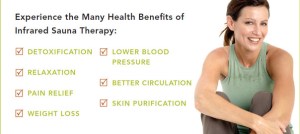
Looking for a great way to assist with detoxification, relaxation, pain relief, improve blood pressure or improve cell health? Try a session in our Infrared Sauna. Our sauna uses far infrared energy heat, rather than steam as used in traditional saunas. Infrared heat increases blood circulation throughout your skin which is mandatory for glowing, beautiful skin. Studies have shown improvements in skin tone, complexion, and elasticity. Infrared heats the body directly instead of heating the air consequently, you do not experience an unbearable hard to breathe heat. Infrared levels target improved immune function, increasing circulation and to detoxify your body. Can be a stand-alone session or combine with any massage.

5 Top Benefits of Infrared Sauna Use

DETOXIFICATION
Sweating is one of the body’s ways of removing toxins. An infrared sauna allows you to sweat out up to 7 times more toxins than traditional saunas. As an added benefit, it gives the kidneys and liver a break from the detoxification process. Heavy metals that often accumulate in toxic levels such as lead, cadmium, copper, manganese and nickel have been shown to detox with sweat. Toxic chemicals from our environment, such as pesticides and phthalates, can also be excreted through the body via sweat. An important factor, however, is how you are sweating. According to Nutritional Balancing Practitioner Wendy Myers says:
“Sweating during exercise is not effective for detoxification because exercise activates the sympathetic nervous system. Sympathetic nervous system (stress, fight or flight) activity inhibits toxin elimination. You must be in a parasympathetic state (calm, rest or sleep) to detox. You can either workout OR detox, not usually both at the same time.”
RELAXATION
Quiet time, space, privacy; this is a sauna benefit much-needed in our hectic, rapid-fire society.
Deep tissue relaxation.
As the body warms throughout, the heat relaxes your muscles, tendons, and ligaments, and oxygen and nutrients are delivered to tissues that are not that well supplied at other times.
The stimulation of endorphin production (our own natural feel-good chemicals).
Studies have shown that infrared heat therapy helps the body maintain healthy levels of cortisol allowing you to relieve day-to-day stress and RELAX.

PHYSICAL PERFORMACE
Enhanced physical conditioning and athletic performance. Causes an increased heart rate and stroke volume (amount of blood pumped with each heartbeat) in order to bring blood to the surface of the skin for sweat production and cooling. Primes you for a great workout by warming up the muscles, tendons, and ligaments and cranking up the circulatory system before you get started. Shortened recovery time from workouts. Shorter recovery time from muscle aches, strains and bruises. Quicker clearance of lactic acid from post workout muscle soreness.

PAIN RELIEF
Infrared heat deeply penetrates joints and muscles and increases circulation and oxygen flow. Some of the conditions that respond to FIR are sports injuries, arthritis, fibromyalgia, and other chronic pain syndromes.

SKIN PURIFICATION
Infrared heat increases blood circulation throughout your skin which is mandatory for glowing, beautiful skin. Using a sauna provides comprehensive and intensive cleansing for the skin. It also encourages circulation throughout the body and blood flow to the skin so the skin can get the nutrients it needs more easily. Saunas have been found to be superior to body wraps in treating cellulite, enhancing collagen development, hydrating the skin, increasing the metabolism and emulsifying fat in the sebaceous glands.

Infrared Sauna Benefits People with the Following Ailments:
Here’s a list of many of the medically proven sauna benefits.
• Alleviation of stubborn skin problems (psoriasis, eczema) Relief from arthritis
• Accelerated recovery from muscle, ligament, and tendon injury
• Recovery from fibromyalgia and various types of fibromyalgia symptoms
• Mercury detoxification and recovery from mercury poisoning
• Improved circulation to hands, feet, and skin
• Alleviation of chronic and acute neck pain, back and joint pain (as well as muscles, ligaments, and tendons)
• Recovery from addiction (this is a little-known sauna benefit that is achievable following a sauna detoxification program)
• Relief from environmental toxicity of all types (with their own large range of symptoms), including radiation
• Immune-enhancing effects
Note: Do not cease or change your regular medication or treatment without consulting your doctor.

General Use:
The Infrared Sauna provides successful relief without any side effects and is 100% drug-free, non-invasive and comfortable treatment.
Please respect the following etiquette:
• Appointments are required and are subject to availability
• Once your session is booked a confirmation email will be sent out
• Arrive 15 minutes before the session for registration
• Please drink water before, during and after your session, no food or other drinks are allowed in the session
• NO cell phone conversations while in the chamber. It may corrode the metal in your phone anyway.
• Infrared Heat will leach away hair color; Please use the hair turbans provided.
• 2 towels/person/ session will be provided. One to sit on and the other to remove dripping sweat. After a session, please place towels and hand cloths in the laundry bin.
• After your session, hot steam hand cloths are provided to remove any sweat and toxins on the skin. Remember, the effects of the heat will continue 15- 30 minutes after your session until you completely cool down, which is the best time to shower. Shower at home as usual.

Contraindications:
You should avoid using Infrared Sauna if you have any of the conditions listed below.

• Infections accompanied by fever

• Active cancer

• Patients who have or have had tuberculosis

• Patients who have cardiac insufficiency

• Intoxication or under influence of drugs

• Mental Disorder

• Bleeding, open sores or wounds

• Spitting of blood

• Drug Addiction

• High blood pressure diseases /severe hypertension (in IIB stage)

• Acute stage of respiratory disease

• Chronic obstructive lung diseases with 3rd stage of chronic lung insufficiency

• 48 hours from onset of acute illness or an injury

• Pregnancy? (consult your doctor)

Wellness is the new Fitness

images-2

Sauna Wamth

Hyperthermic Conditioning

Heating the body activates sweat glands as the body seeks to cool itself. It promotes a profound sweating response, the natural removal of impurities and a healthy cardiovascular response. Promotes physical fitness, assists with Wellness goals.

What is Hyperthermic Conitioning?  Using a sauna to improve fitness and build a generalized tolerance to stress through heat acclimation.  Heat acclimation can make physiological adaptations by:

  1. Increase the capacity for endurance
  2. Increase the capacity to build muscle mass
  3. Positive affects on brain function and chemistry

Stress Relief/Relaxation

The deeply relaxing and soothing heat & massage features offer a calming environment to help relieve stress and tension. You will enjoy the vital connection spark between mind & body for improved sleep, mental acuity, mindfulness and meditation.

Range of motion/Flexibility

Exercises with simultaneous heat and vibratory massage, promote flexibility and range of motion response, making movement easier and safer as you age. Improves mobility and recover following athletic training, repetitive movements, overuse or the aging process.

drrhondapatrick  excerpts taken from Dr. Rhonda Patrick youtube video, “Hyperthermic Conditioning for Hypertrophy, Endurance, and Neurogenesis”
5 Benefits of Salt Therapy

What is Salt Therapy?

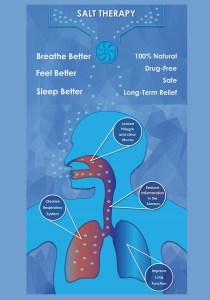
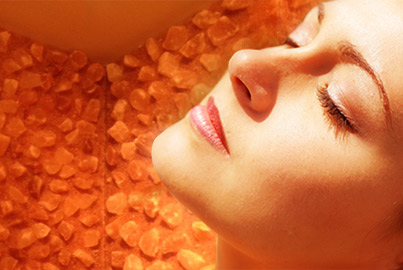
Spelotherapy, also called salt therapy, utilizes salt to address respiratory diseases and improve overall health. Although little known in the U.S., it is widespread in Europe. Since the 1800s, many people visit European salt mines to breathe in the salt-rich air. One modern form of salt therapy consists of sitting in a room pumped with salt-laden air in a man-made salt cave.
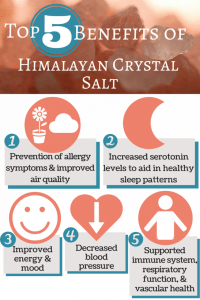
When the salty air is inhaled, the minute salt particles travel through the entire respiratory system. The antibacterial and antimicrobial properties purify and detox the lungs and sinuses.

Benefits of Salt Therapy

Studies show that salt therapy is widely effective for:
Reducing asthma (many users report reduced use their rescue inhaler)
Reducing seasonal allergies, coughs and chest congestion by cleansing the sinuses and respiratory system
Improving the respiratory systems of smokers
Improving skin conditions like eczema and dermatitis
Improving lung function in individuals with cystic fibrosis

Himalayan Salt Cave

What is a Himalayan Salt Cave?  A salt cave is basically a room (there are also salt chamber, salt beds, salty yoga and more) with walls covered with, or made of Himalayan salt. The floors are covered in salt too, so it’s almost like you’re walking on sand — only slightly crunchier.  In addition to the salt items in the room, there is a halogenerator machine pumping atomized salt particles into the air, which you breathe in. The halogenerator puts salt into the air similar to how  a humidifier put moisture into the air. Sessions are up to 45 minutes, sit, relax and breathe.  How simple is that?

Use at Home

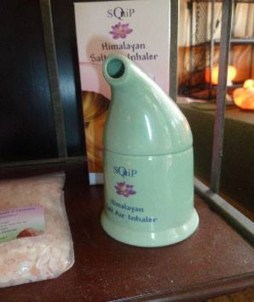
To use salt therapy at home, you’ll need a Himalayan Salt Inhaler. This is a porcelain jar with a spout…basically a Himalayan Salt Cave to go!  It comes with Himalayan salt, and you put this in the base of the inhaler. Then, put your mouth over the spout and inhale the purifying salt air. Exhale through your nose. Do this for at least 10-15 minutes per day (you can do it in 5 minute intervals). It’s easy to do while you watch TV

slide-4-image

Salt Therapy-Breathe it In

saltinhaler

Salt Inhaler For Convenience

Gallery Of Photos

Massage & Therapeutic Services

Infographics

Health & Wellness


What To Expect during a massage

Where Will My Massage or
Bodywork Session Take Place?
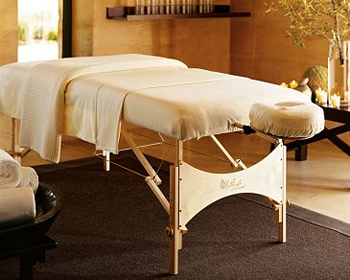
Your massage or bodywork session will take place in a warm, comfortable, quiet room. Soft music may be played to help you relax. You will lie on a table especially designed for your comfort.

Who Will Perform The Massage or Bodywork?
Your session will be conducted by a professional who has received proper training, often in a variety of techniques. In Indiana,  massage and bodywork practitioners are licensed by the state.  Although no two massages are exactly alike, you may request a certain technique or modality. You may also request your preference as to a male or female therapist.

Must I Be Completely Undressed?
Most massage and bodywork techniques are traditionally performed with the client unclothed; however, you may decide what amount of clothing you prefer to wear for your own comfort. You will be properly draped during the session.

Will The Practitioner Be Present When I Disrobe?
The practitioner will leave the room while you undress, relax onto the table, and cover yourself with a clean sheet and coverlet.


Will I Be Covered During The Session?
You will be properly draped at all times to keep you warm and comfortable. Only the area being worked on will be exposed.

What Parts Of My Body Will Be Massaged?
You and the practitioner will discuss the desired outcome of your session. This will determine which parts of your body require massage. A typical full-body session will include work on your back, arms, legs, feet, hands, head, neck, and shoulders. You will not be touched on or near your genitals (male or female) or breasts (female).

Will Lubricant Be Used?
A light oil or lotion may be used to permit your muscles to be worked on without causing
excessive friction to the skin. The lubricants used should hydrate the skin and be readily absorbed.

What Will the Massage Or Bodywork Feel Like?
It depends on the techniques used. In a general Swedish massage, your session may start with broad, flowing strokes that will help to calm your nervous system and ease exterior muscle tension. As your body unwinds, pressure will gradually be increased to relax and relieve specific areas of muscular tension. You should communicate with your practitioner immediately if you feel any discomfort so that another approach may be taken. Massage and bodywork are most effective when your body is not resisting.

What Should I Do During The Massage Or Bodywork Session?
Make yourself comfortable. The practitioner will either gently move you or tell you what is needed throughout the session (such as lifting your arm). Many people just close their eyes and completely relax. Others like to talk during their session. Feel free to ask the practitioner questions about massage and bodywork in general or about the particular technique you are receiving.

Are There Different Kinds Of Massage And Bodywork?
How Long Will The Session Last?
The average full-body massage or bodywork session lasts approximately one hour. A half- hour appointment only allows time for a partial massage session, for instance the neck and shoulders, back, or legs and feet. Many people prefer a sixty-to-ninety-minute session for optimal relaxation. Always allow relaxation time prior to and after the session. Onsite infrared saunas can assist in the relaxation process.

How Will I Feel After The Massage Or Bodywork Session?
Most people feel very relaxed. Some experience freedom from long-term aches and pains developed from tension or repetitive activity. After an initial period of feeling slowed down, people often experience increased energy, heightened awareness,
and greater productivity, which can last for days. Since toxins are released from your soft tissues during a massage, it is recommended you drink plenty of water afterward.

What Are The Benefits Of Massage And Bodywork?
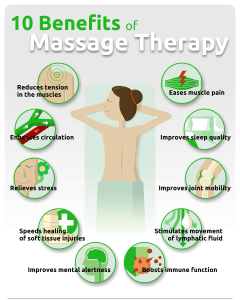
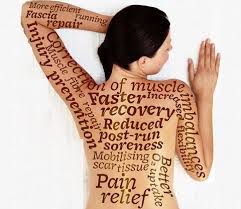
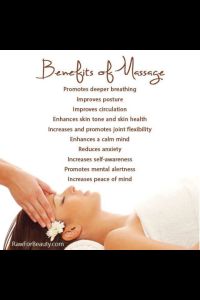
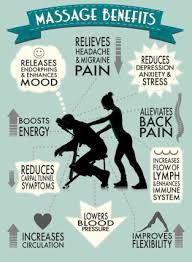
Massage and bodywork can help release chronic muscular tension and pain, improve circulation, increase joint flexibility, reduce mental and physical fatigue and stress, promote faster healing of injured muscular tissue, improve posture, and reduce blood pressure. Massage and bodywork are also known to promote better sleep, improve concentration, reduce anxiety, and create an overall sense of well-being.

Are There Medical Conditions That Would Make Massage Or Bodywork Inadvisable?
Yes. That’s why it’s imperative that before you begin your session, the practitioner ask general health questions. It is very important that you inform the practitioner of any health problems or medications you are taking. If you are under a doctor’s care, it is strongly advised that you receive a written recommendation for massage or bodywork prior to any session. Many practitioners may require a recommendation or approval from your doctor.