Combating Negative Images
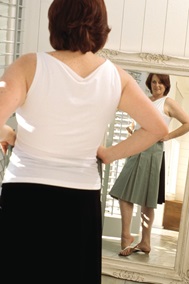
How do you see yourself? Are you content with the person looking back at you from the mirror or do you frown in frustration? Researchers say more than 80 percent of U.S. women are unhappy with their appearance. Whether it’s lamenting about having a pear-shaped figure instead of an hourglass or exhibiting more serious,
self-hating body dysmorphic disorders, body image is under siege in our celebrity-fixated society. While Madison Avenue continues
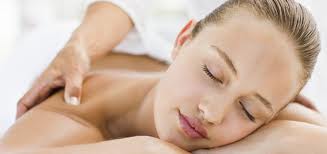
to airbrush photos of svelte, 120-pound supermodels for magazine covers, others are trying to teach young girls to love their bodies, beautiful imperfections and all. One way to combat the Hollywood hype and to create an appreciation for the bodies we have—and teach our children the same—is through hands-on massage and bodywork.
Every Shape, Every Size
Whether a client weighs 30 pounds or 300 pounds, massage and bodywork therapists are trained to appreciate all bodies, without judgment, and to deliver the best care possible. During your session, your therapist’s goal will be to create an environment that feels safe and nurturing for you, all while delivering much needed therapeutic touch.
Reconnect with Massage
Being unhappy with our bodies has serious, and sometimes lifelong,
ramifications. Feelings of unworthiness and self-loathing can set up a lifetime of self-deprecating behaviors. What regularly scheduled massage allows us to do is “get back” into our bodies and reconnect with ourselves. Massage can help us release physical and mental patterns of tension, enhancing our ability to experience our
bodies (regardless of their shape and size) in a more positive way. Just as it facilitates our ability to relax, massage also encourages
an awareness of the body, often
allowing us to more clearly see and identify destructive behaviors, including overeating or purging.
Massage also creates a sense of nurturing that is especially powerful when it comes to poor body image. Accepting the nonjudgmental touch of a trained therapist goes a long way toward rebuilding
an appreciation and respect for your own body. If we find acceptance for who we are and how we look, we are giving ourselves permission to live comfortably in the skin we have.
Through the Scars

A negative body image is not necessarily about those few extra pounds on the hips.
It might instead be tied to the scars of past
injuries and surgeries. Massage can help here, too. For burn victims, research
has shown massage can help in the healing process, while for postsurgery
breast cancer patients, massage and bodywork
can reintegrate a battered body and spirit. In addition to softening scar tissue and speeding postsurgery recovery, massage and bodywork for these clients are about respect, reverence, and learning to look at, and beyond, the scars.
The Value of Touch
Touch is a powerful ally in the quest for physical and mental health. It not only can help you be more in tune with your body, but it can help create
a sense of wellness and “wholeness” that is often
lost in our segmented, overscheduled lives. When we regain that connection, it’s much easier to remember that our bodies are something to be cherished, nurtured, and loved, not belittled, betrayed, and forgotten.
Valuable for every age and every body type, massage and bodywork have innumerable benefits. Here are a few:
• Alleviates low-back pain and improves range of motion.
• Decreases medication dependence.
• Eases anxiety and depression.
• Enhances immunity by stimulating lymph flow.
• Exercises and stretches weak, tight, or atrophied muscles.
• Increases joint flexibility.
• Improves circulation by pumping oxygen and nutrients into tissues and vital organs.
• Releases endorphins—the body’s natural painkiller.

 5 TIPS to a Better Massage
 Continental Massage West