
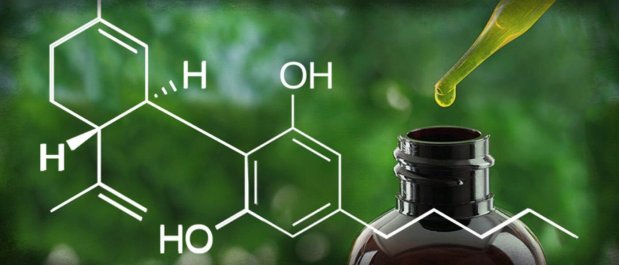
If you only know three letters associated with cannabis, they’re probably T-H-C. But there’s another term on the rise: CBD. Cannabidiol (CBD) is one of the hundreds of chemical compounds that can come from two different cannabis plants: The hemp plant (with less than 0.3 percent THC present) or marijuana plant (where there’s much more psychoactive THC). CBD products tend to be derived from hemp, which has shown potential for having benefits ranging from pain relief to epilepsy treatment. CBD along, with THC, are the most dominant cannabinoids and are responsible for maintaining and protecting the plants own health.
Unlike THC, which is known for its psychoactive nature, CBD doesn’t get you high. What it does have in common with THC, though, is that because they are both cannabinoids they impact our bodies and minds using cannabinoid receptors. These are a part of the endocannabinoid system inside the human body, which affects a number of different physiological processes. These receptors, to date, found primarily in the nervous and immune systems, are what the CBD interacts with to give you the effects.
Not only does CBD not give users the high THC does, but some studies also suggest it may work to counteract some of the more negative THC effects, like paranoia and heightened anxiety. For this reason, often people that are looking for legal weed with THC will look for a strain with a solid THC to CBD ratio, chasing an ideal, centered high.
The hemp plant extract, often consumed as oil under the tongue, is now the featured ingredient in high-end products including coconut oil, body lotion, face serum, olive oil, jam, bath scrub, cold-brew coffee, sports salve, lip balm, infused water, gummy snacks, and dog treats.
 Continental Massage West