Definition
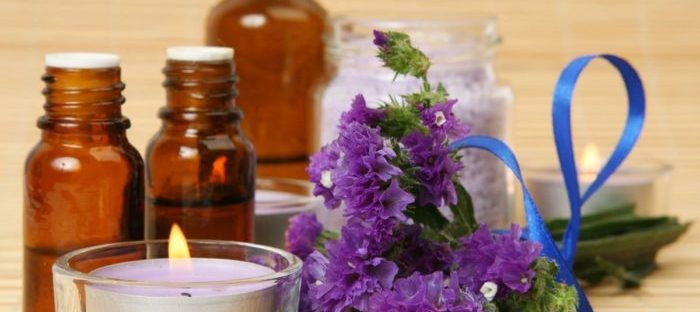
Aromatherapy is a fascinating alternative medicine that involves the use of volatile plant materials, also known as essential oils, that can be aromatically inhaled by patients of a wide variety of health conditions. It is often used to improve mood, change cognitive states, and can also be utilized as a supplemental medicine.
An important element of aromatherapy is synergy, which is the combination of numerous essential oils that can create a more powerful effect than the oils would have on their own. Blending essential oils is such an important area of study for alternative healers since the range of possibilities is almost endless. However, it is important to always do your consultation with trained aromatherapists, as some essential oils can trigger allergies, and can actually be toxic if mixed improperly. Furthermore, most aromatherapy treatments with essential oils are diluted in a carrier oil of some kind, to make the effects slightly less potent. If you use too strong of a concentration of essential oils in aromatherapy, it can result in a wide range of negative side effects.
Benefits of aromatherapy
Some of the health benefits of aromatherapy include its ability to reduce anxiety, ease depression, boost energy levels, speed up the healing process, eliminate headaches, boost cognitive performance, induce sleep, strengthen the immune system, reduce pain, improve digestion, and increase circulation.
Stress Relief: Perhaps the most widespread and popular use of aromatherapy is for stress relief. The aromatic compounds from many different essential oils are known as relaxants and can help to soothe your mind and eliminate anxiety. This is what most people who perform aromatherapy at home use it for since the mixtures are very simple and the research on this aspect of aromatherapy is very well-known and widely studied. Some of the best essential oils for stress relief are lemon oil, lavender, bergamot, peppermint, vetiver, and ylang-ylang essential oils. Certain studies have also shown that lemon oil can improve mood and reduce outbursts of anger.
Antidepressant Capacity: Second to stress relief, aromatherapy is very commonly used to eliminate feelings of depression, and due to the very complicated side effects of pharmaceutical antidepressants, this is a very important function of aromatherapy. While this is useful as a complementary treatment, psychological help or counseling should be sought out if depression continues or worsens. In terms of the best essential oils to use for reducing depression, most specialists suggest peppermint, chamomile, lavender, and jasmine.
Memory: One of the most frightening and widespread diseases affecting older people is memory loss and the inability to form short term memories. While Alzheimer’s is still considered an incurable disease, there are certain ways to reduce or slow down the progression of the condition. Aromatherapy has often been turned to as an alternative or supplemental treatment for dementia and Alzheimer’s disease. Studies have also shown the efficacy of aromatherapy in younger patients in terms of boosting their memory capacity for a certain amount of time after the treatment. This refreshing burst for the brain can be useful in all walks of life, no matter what age you are! Sage oil is the most commonly recommended oil for this sort of memory-enhancing effect.
Boost Energy Levels: We can all use more energy to get through the hectic daily tasks of modern life. However, stimulants like coffee, cigarettes, energy pills, or even illegal substances can have very damaging effects on the body. While diet and exercise can also help, many people turn to aromatherapy to put a bit more pep in their step. Many essential oils are known to increase circulation, raise energy levels, and generally stimulate the body and mind, without the dangerous side effects of other stimulating substances. The best essential oils for giving yourself an energy boost include black pepper, cardamom, cinnamon, clove, angelica, jasmine, tea tree, rosemary, and sage.
Healing and Recovery: As stimulants, many essential oils can help increase the rate of healing throughout the body. This can be due to increased oxygen and blood flow to wounds as well as more internal healing processes like those following surgeries or illness. The anti-microbial properties of certain essential oils also keep the body protected during these delicate healing stages of the body. Some of the most popular essential oils for speeding up the healing process of the body include lavender, calendula, rosehip, Everlasting, and buckthorn essential oils. A number of those same oils do more than heal wounds; they can also reduce the severity and discomfort of skin conditions like psoriasis and eczema.
Headaches: Everyone gets headaches from time to time, and the bad ones can stop us dead in our tracks. Rather than relying on pharmaceuticals or dishing out a lot of money for an expensive massage, aromatherapy can be a wonderful solution that can not only eliminate your current headache, but possibly reduce the stress, anxiety, or medical origin of your headaches to prevent them in the future. Some of the best essential oils that have been connected to reducing headaches and migraines are peppermint, eucalyptus, sandalwood, and rosemary essential oils. You can also mix these oils in a carrier oil and spread that oil onto your skin, scalp, neck, and temples. Some of the best carrier oils for headaches include almond, avocado, coconut, apricot kernel, and sesame oils.
Sleep Aid: Not getting enough sleep can exacerbate or cause a huge range of medical conditions and can leave us feeling unproductive and devoid of energy. Luckily, aromatherapy comes through again and can provide us with a more balanced sleep schedule and can even realign our Circadian rhythms so our body naturally gets tired at an appropriate time, sleeps restfully through the night, and is energized in the morning to face the day. Some of the best essential oils for managing your sleeping habits and having a healthy, sedative effect on the body include lavender, chamomile, jasmine, benzoin, neroli, rose, sandalwood, sweet marjoram, and ylang-ylang essential oils.
Immune System: It is far better to prevent than treat, as most medical professionals say, and aromatherapy can give you a serious boost to your immune system if used properly. The anti-microbial effects, as well as the anti-fungal and antibacterial effects, can protect you from any number of illnesses and infections that could damage your system. This area of aromatherapy is very popular and widely studied. Some of the most effective essential oils that boost your immune system include oregano, frankincense, lemon, peppermint, cinnamon, and eucalyptus essential oils.
Pain Relief: Analgesics can have a lot of different effects on the body as a side effect, even if they do relieve the pain. However, if aromatherapy can relieve dozens of different types of pain, then why not take advantage of it? Pain relief is one of the most useful applications of aromatherapy. The top essential oils, both for professional and personal use, include lavender, chamomile, clary sage, juniper, eucalyptus, rosemary, and peppermint essential oils.
Digestion: Although this isn’t the most widely researched area of aromatherapy, digestive issues can certainly be treated by aromatherapy. It can ease constipation, indigestion, bloating, and can speed up the metabolism so food is digested quicker. Citrus essential oils are normally the best for treating digestive conditions, including lemon and orange, but there have also been some studies that have cited ginger, dill, fennel, chamomile, clary sage, and lavender as being effective as well.
Whatever your condition, and whatever essential oils you choose to use, always consult your doctor before embarking on a new treatment plan. Also, be sure to only acquire essential oils from approved sources and don’t attempt to mix and use oils unless you have been trained as a professional aromatherapist.
Essential Oils Provide Healing and Balance
Aromatic essential oils extracted from herbs, flowers, resin, wood and roots have long been a source of healing, aiding in relaxation, circulation and wound healing. However, the use of these medicinal oils declined as the modern pharmaceutical industry developed. In 1928, French chemist Rene Maurice Gattefosse revived the use of essential oils and developed the art and science of utilizing naturally extracted aromatic essences from botanicals to balance and harmonize the health of body, mind, and spirit. Gattefosse coined the practice aromatherapy.
Because of aromatherapy’s effect on emotional health, many practitioners incorporate this noninvasive treatment into their practices. Dispensers or diffusers filled with aromatic essences may be used to scent the room, and specific essential oils are used on the client’s skin during massage. Because each oil has unique characteristics and benefits, the choice of oil or oils can be customized to the client’s needs and emotional state. Whether inhaled or applied topically, aromatherapy requires an understanding of how each essential oil interacts with the body, as well as the mind. Many pure essential oils need to be diluted, as they can cause irritation when applied directly to the skin, and training is necessary to guarantee safe and correct usage.
The emotions listed below can be gently eased by one or a combination of the following essential oils:
Anxiety: bergamot, cedarwood, clary sage, frankincense, lavender, patchouli, Roman chamomile, rose, sandalwood.
Fatigue, Burnout: basil, ginger, grapefruit, jasmine, lemon, peppermint, rosemary, sandalwood.
Stress: bergamot, frankincense, geranium, lavender, mandarin, neroli, patchouli, Roman chamomile, ylang-ylang.
Anger: jasmine, neroli, orange, patchouli, petitgrain, Roman chamomile, rose, vetiver, ylang-ylang.
Happy Inhaling!












 excerpts taken from Dr. Rhonda Patrick youtube video, “Hyperthermic Conditioning for Hypertrophy, Endurance, and Neurogenesis”
 Continental Massage West