Keeping Your Back Healthy

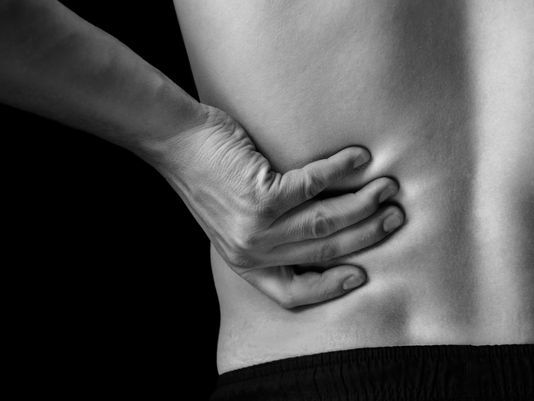
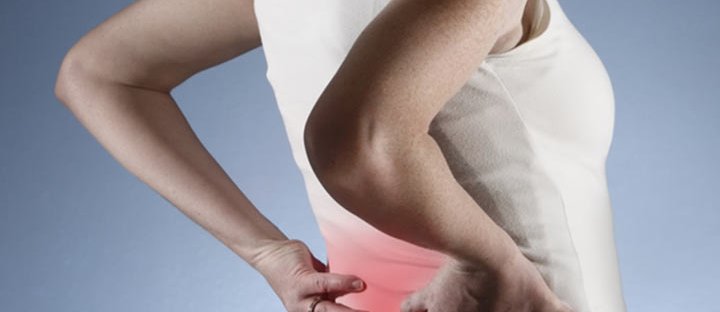
Chances are good that, at some point in your life, you will have back pain. In fact, 70-85 percent of Americans will experience back pain at some point in their lives. But even with those odds, there are still several ways to minimize your risk and give yourself the best chance to live pain-free.

Several factors can cause back pain, including stress, poor posture, bad ergonomics, lack of exercise, arthritis, osteoporosis, a sedentary lifestyle, overexertion, pregnancy, kidney stones, fibromyalgia, excess weight, and more.

636226613733578944-GettyImages-488220391

With all of these potential causes lurking, it’s important to look at behaviors that can help you prevent and avoid back pain before it starts. Here are a few simple healthy back tips from the National Institute of Neurological Disorders and Stroke:

  • Stretch and warm tissues before exercise or other strenuous activities.
  • Practice good posture. Avoid slouching when sitting or standing. When standing, keep your weight balanced on both feet.
Follow good ergonomics in the workplace.
  • When sitting for long periods of time, rest your feet on a foot support.
  • Make sure your chair and work surfaces are at the proper height.
  • Get up and move around in between long sitting stints.
 Avoid high-heeled shoes.
Watch your weight.
  • Excess weight, especially around the waist, can put undue stress on lower back muscles. Exercise. Core strengthening moves, especially, will also benefit your back.
  • Don’t lift items that are heavier than you can handle. Remember to lift with your knees, not your back. Pull in your stomach muscles, keep your head down and in line with your straight back, and do not twist when lifting.
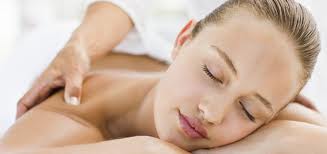
  • Get a massage. Using therapeutic bodywork can melt pain-inducing stress away from your back and the rest of your body.

5 TIPS to a Better Massage

0165 TIPS to a Better Massage
1. Breathe. Deep breathing during your massage centers your mind and relaxes your body.
2. You’re the Boss. This massage is all about you. Massage therapists appreciate specializing a session based on your needs. Silence is not golden in the massage room.
3. Be Specific. Do you want more pressure? Less? Is the room too cold? Would you like the entire session on your back, neck, shoulders, fingers, and feet? The more you tell your therapist, the more they can customize the massage to fit your needs.
4. Release and Let Go. Avoid helping your therapist by turning your head or lifting an arm. The therapist is working, not you. This can take practice. If you find yourself doing it during a massage, go back to number one and breathe deeply; visualize yourself relaxing that body part, as well as others.
5. Be There. Enjoy the moment. Stop formulating your to-do list, or thinking about where you’re off to next. Focus on your body. Feel the touch and allow yourself to get lost in it.

Groupon Etiquette and Tips


discount
Here are a few etiquette tips to follow when using your Groupon.
1. Always tip on the full amount of the pre-discounted bill. Remember your therapists are doing the same amount of work, so don’t be a Scrooge and tip on the discounted total.
2. If the business is busy, please be patient. Remember, the Groupon business has generously given a lot of people the same discount they gave you.
3. If you have to make an appointment, just remember the business is probably on a tight schedule with so many new customers, so try to keep your appointment. If you have to change it, make sure to give 24 hours of notice.
4. If you like your experience, it’s always nice to tell them or leave a review!
Here are a few tips to a successful Groupon purchase.
1. Wait a few hours between reading the deal and purchasing the deal. Chances are, you get the deals delivered to your inbox first thing every morning. Probably three-quarters of the email that arrives between when I go to bed and wake up are from deal sites. Usually, you have an entire day to purchase the deal. Unless there are limited quantities of a deal that’s for something you already intended on purchasing, relax. Give yourself time to decide if you want it.
2. Read all the fine print. Every last inch of it.
3. Take note of expiration dates. Some deals don’t expire. Some have a short shelf life. If you don’t know if you can use the deal before the expiration date arrives, don’t buy it.
4. Call the establishment offering the deal if you have additional questions. When I bought the paintball coupon, I had questions about age restrictions and the ability to bring our own paintballs. Calling gave me the confidence to know that the deal would work for our situation.
5. If the deal is for a restaurant or event that you’ll be going to with someone else, check with that person first. I’ve got a deal coupon to a restaurant that is going unused right now because my husband is uninterested in going there.
6. Honor the restrictions that were placed on the deal before you bought it. If you didn’t read the fine print, that’s your fault.
7. When using a deal coupon, always tip on the amount the meal or service would have been before the coupon was applied. The worker shouldn’t get the shaft just because you got a deal. In fact, I often tip a little extra when using a coupon because I got such a good deal, but that’s not necessary.
8. Call ahead if you have questions about using the coupon with other discounts. For example, if you see on Facebook that the restaurant where you have a coupon is offering a one-night-only price fixed menu, you’ll want to check if they’ll accept the coupon that night.
9. Be patient. A small business or eating establishment simply might not have expected the onslaught of business that the deal coupon has brought in.
10. Use your coupon before it expires. Don’t let your money go to waste.
11. Respect Professionals – Even Discounted Ones. Sure, this is a discount experience for you, and maybe one you’re trying on a whim because of the light overhead, but the person injecting or instructing you has made a career out of it and has funded said career. Besides tipping accordingly, treat them with the respect you would if you were more heavily invested in the class or procedure.

How massage helped Tasha relax

Tasha is getting married in a week and is feeling a bit overwhelmed by all the planning and upcoming activities. Tasha’s best friend gives her a gift certificate for a 60-minute massage to help her relax and reduce her stress.
Tasha has had clinical massages before that focused on reducing knots in her shoulders and neck.
However, during this massage, Tasha states that she primarily needs some time to recharge, get centered, rejuvenate, refresh, and float away. Tasha chooses the music and type of oil, and she and the therapist agree that the session will be for relaxation only, with no clinical techniques.
The therapist suggests that Tasha stops thinking about all the things that need to be done, consciously set aside her to-do list, and focus on quieting her mind and relaxing her body by slowing her breathing. To facilitate relaxation, Tasha and the therapist agree not to talk.
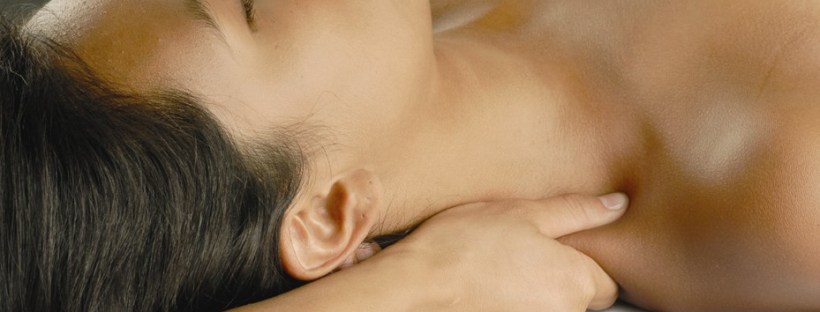
The massage therapist uses techniques typically used in relaxation massage, such as kneading and passive stretching of muscles in the neck and back, as well as gliding strokes on both the front and back of legs and arms.
At the end of the session, Tasha is revitalized and confident that she will be able to manage all her tasks before the wedding. To preserve her sense of peace and relaxation, Tasha decides not to run errands right away but to go straight home and relax.

5 Benefits of Salt Therapy

What is Salt Therapy?

Spelotherapy, also called salt therapy, utilizes salt to address respiratory diseases and improve overall health. Although little known in the U.S., it is widespread in Europe. Since the 1800s, many people visit European salt mines to breathe in the salt-rich air. One modern form of salt therapy consists of sitting in a room pumped with salt-laden air in a man-made salt cave.
When the salty air is inhaled, the minute salt particles travel through the entire respiratory system. The antibacterial and antimicrobial properties purify and detox the lungs and sinuses.

Benefits of Salt Therapy

Studies show that salt therapy is widely effective for:
Reducing asthma (many users report reduced use their rescue inhaler)
Reducing seasonal allergies, coughs and chest congestion by cleansing the sinuses and respiratory system
Improving the respiratory systems of smokers
Improving skin conditions like eczema and dermatitis
Improving lung function in individuals with cystic fibrosis

Himalayan Salt Cave

What is a Himalayan Salt Cave?  A salt cave is basically a room (there are also salt chamber, salt beds, salty yoga and more) with walls covered with, or made of Himalayan salt. The floors are covered in salt too, so it’s almost like you’re walking on sand — only slightly crunchier.  In addition to the salt items in the room, there is a halogenerator machine pumping atomized salt particles into the air, which you breathe in. The halogenerator puts salt into the air similar to how  a humidifier put moisture into the air. Sessions are up to 45 minutes, sit, relax and breathe.  How simple is that?

Use at Home

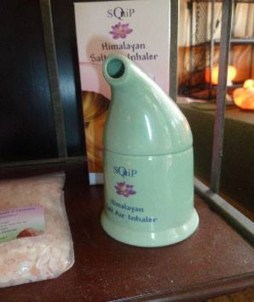
To use salt therapy at home, you’ll need a Himalayan Salt Inhaler. This is a porcelain jar with a spout…basically a Himalayan Salt Cave to go!  It comes with Himalayan salt, and you put this in the base of the inhaler. Then, put your mouth over the spout and inhale the purifying salt air. Exhale through your nose. Do this for at least 10-15 minutes per day (you can do it in 5 minute intervals). It’s easy to do while you watch TV

slide-4-image

Salt Therapy-Breathe it In

saltinhaler

Salt Inhaler For Convenience

What To Expect during a massage

Where Will My Massage or
Bodywork Session Take Place?
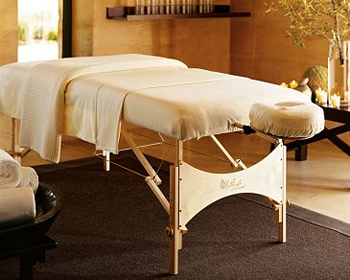
Your massage or bodywork session will take place in a warm, comfortable, quiet room. Soft music may be played to help you relax. You will lie on a table especially designed for your comfort.

Who Will Perform The Massage or Bodywork?
Your session will be conducted by a professional who has received proper training, often in a variety of techniques. In Indiana,  massage and bodywork practitioners are licensed by the state.  Although no two massages are exactly alike, you may request a certain technique or modality. You may also request your preference as to a male or female therapist.

Must I Be Completely Undressed?
Most massage and bodywork techniques are traditionally performed with the client unclothed; however, you may decide what amount of clothing you prefer to wear for your own comfort. You will be properly draped during the session.

Will The Practitioner Be Present When I Disrobe?
The practitioner will leave the room while you undress, relax onto the table, and cover yourself with a clean sheet and coverlet.


Will I Be Covered During The Session?
You will be properly draped at all times to keep you warm and comfortable. Only the area being worked on will be exposed.

What Parts Of My Body Will Be Massaged?
You and the practitioner will discuss the desired outcome of your session. This will determine which parts of your body require massage. A typical full-body session will include work on your back, arms, legs, feet, hands, head, neck, and shoulders. You will not be touched on or near your genitals (male or female) or breasts (female).

Will Lubricant Be Used?
A light oil or lotion may be used to permit your muscles to be worked on without causing
excessive friction to the skin. The lubricants used should hydrate the skin and be readily absorbed.

What Will the Massage Or Bodywork Feel Like?
It depends on the techniques used. In a general Swedish massage, your session may start with broad, flowing strokes that will help to calm your nervous system and ease exterior muscle tension. As your body unwinds, pressure will gradually be increased to relax and relieve specific areas of muscular tension. You should communicate with your practitioner immediately if you feel any discomfort so that another approach may be taken. Massage and bodywork are most effective when your body is not resisting.

What Should I Do During The Massage Or Bodywork Session?
Make yourself comfortable. The practitioner will either gently move you or tell you what is needed throughout the session (such as lifting your arm). Many people just close their eyes and completely relax. Others like to talk during their session. Feel free to ask the practitioner questions about massage and bodywork in general or about the particular technique you are receiving.

Are There Different Kinds Of Massage And Bodywork?
How Long Will The Session Last?
The average full-body massage or bodywork session lasts approximately one hour. A half- hour appointment only allows time for a partial massage session, for instance the neck and shoulders, back, or legs and feet. Many people prefer a sixty-to-ninety-minute session for optimal relaxation. Always allow relaxation time prior to and after the session. Onsite infrared saunas can assist in the relaxation process.

How Will I Feel After The Massage Or Bodywork Session?
Most people feel very relaxed. Some experience freedom from long-term aches and pains developed from tension or repetitive activity. After an initial period of feeling slowed down, people often experience increased energy, heightened awareness,
and greater productivity, which can last for days. Since toxins are released from your soft tissues during a massage, it is recommended you drink plenty of water afterward.

What Are The Benefits Of Massage And Bodywork?
Massage and bodywork can help release chronic muscular tension and pain, improve circulation, increase joint flexibility, reduce mental and physical fatigue and stress, promote faster healing of injured muscular tissue, improve posture, and reduce blood pressure. Massage and bodywork are also known to promote better sleep, improve concentration, reduce anxiety, and create an overall sense of well-being.

Are There Medical Conditions That Would Make Massage Or Bodywork Inadvisable?
Yes. That’s why it’s imperative that before you begin your session, the practitioner ask general health questions. It is very important that you inform the practitioner of any health problems or medications you are taking. If you are under a doctor’s care, it is strongly advised that you receive a written recommendation for massage or bodywork prior to any session. Many practitioners may require a recommendation or approval from your doctor.

Increase the Benefits with Frequent Visits

Here’s the beauty of bodywork: its benefits  are compounded when massage is utilized as a frequent therapy. The more you get, the more it does.

Taking part in this form of regularly-scheduled self-care can play a huge part in how healthy you’ll be and how youthful you’ll remain with each passing year. Budgeting time and money for bodywork at consistent intervals is truly an investment in your health. And remember: just because massage feels like a pampering treat doesn’t  mean it is any less therapeutic. Consider massage appointments  a  necessary  piece  of  your  health and  wellness  plan,  and  work  with  your  practitioner to establish a treatment schedule that best meets your needs.

In response to massage, specific physiological and chemical changes cascade throughout the body, with profound effects.  Research continues to show the enormous benefits of touch—which range from treating chronic diseases, neurological disorders, and injuries,to alleviating the tensions of modern lifestyles. Consequently, the medical community is actively embracing bodywork, and massage is becoming an integral part of hospice care and neonatal intensive care units. Many hospitals are also incorporating on-site massage practitioners and even spas to treat post-surgery or pain patients as part of the recovery process.

Research shows that with massage:

  • Arthritis sufferers note fewer aches and less stiffness and
  • Asthmatic children show better pulmonary function and increased peak air
  • Burn injury patients report reduced pain, itching, and
  • High blood pressure patients demonstrate lower diastolic blood pressure, anxiety, and stress
  • Premenstrual syndrome sufferers have decreased water retention

Massage, Now More Than Ever

Consumers may be tempted to trim their wellness budgets when economic times are tough. Yet a recent national consumer survey showed most massage-minded Americans are committed to maintaining the health benefits they experience with massage. It makes sense—the better you feel, the better job you can do of caring for yourself and your loved ones.  Massage should play a role in reducing stress and strengthening the health of Americans.When people feel their best, they are more likely to be able to face the challenges difficult times present. With greater health and peace of mind,consumers can face difficulties with poise, clarity of purpose, and strengthened emotional reserves.Truly, massage is more than a luxury—it’s a vital part of self-care that has a positive ripple effect on us as we work, play, and care for others.

If you think about it, massage is an excellent value. The price of massage has remained stable in recent years, as the cost of movies, dining out, and sports events has risen. Which of these has the power to improve your health and your outlook on life?

In economically challenging times, it is vital  to invest in preventative healthcare. The last  thing you want is to get sick, have to take time off work, and pay expensive medical bills.Following are health reasons all American adults should be including massage in their family budgets and schedules. Massage therapy:

  • Boosts the immune system.
  • Reduces anxiety.
  • Reduces the flow of stress hormones.
  • Improves sleep.
  • Improves energy levels and reduces fatigue.
  • Improves concentration.
  • Increases circulation.
  • Improves self-esteem.
  • Reduces frequency of headaches.
  • Releases endorphins.