What is Red Light Therapy?

Continental Massage is excited to announce our newest service offering, Red Light Therapy. Red light therapy has been studied and tested across hundreds of peer-reviewed clinical trials, with overwhelmingly positive results for skin health, collagen production, physical performance & muscle recovery, sleep, joint pain, inflammation, and a lot more. And that’s without drugs, chemicals, UV rays, invasive procedures, or other common side effects.


NFL stars, NBA teams, Olympians, world-class trainers, natural health leaders, and leading clinics & gyms are using red light therapy every day for these natural health benefits.

Our high-quality red light therapy devices use medical-grade LEDs to deliver concentrated wavelengths of natural light to your skin and cells, without dangerous UV rays or excess heat. All you have to do is sit or stand near a device for 5-15 minutes per specified body part or surface area to charge your cells. Use our handheld device to focus red light on a concentrated area, such as the face, or a knee.  Use large hanging panels to cover more surface area of your body: the back, upper legs, or upper body. The more area you can cover, the more your cells absorb natural light, and the more full-body benefits you can expect to see with consistent use.

Red and near infrared wavelengths of natural light stimulate the mitochondria in your cells, the powerhouses responsible for taking light, oxygen, and the food we eat—and turning it into usable energy for our bodies through the process of cellular respiration.

Red Light therapy is available in our converted infrared sauna with Himalayan salt therapy. Each session is up to 45 minutes. One overhead panel, one side panel and one handheld device are provided during each session to use simultaneously or any in combination.

Keeping Your Back Healthy

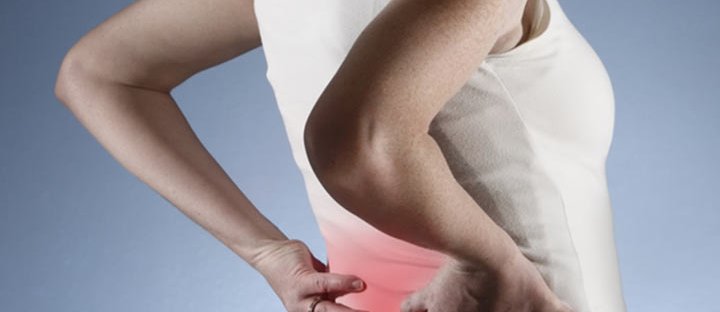
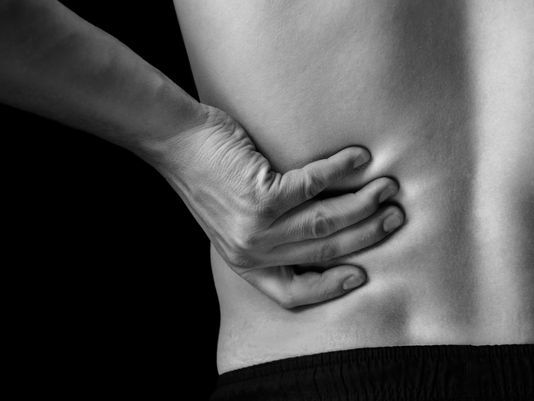
Chances are good that, at some point in your life, you will have back pain. In fact, 70-85 percent of Americans will experience back pain at some point in their lives. But even with those odds, there are still several ways to minimize your risk and give yourself the best chance to live pain-free.

Several factors can cause back pain, including stress, poor posture, bad ergonomics, lack of exercise, arthritis, osteoporosis, a sedentary lifestyle, overexertion, pregnancy, kidney stones, fibromyalgia, excess weight, and more.

636226613733578944-GettyImages-488220391

With all of these potential causes lurking, it’s important to look at behaviors that can help you prevent and avoid back pain before it starts. Here are a few simple healthy back tips from the National Institute of Neurological Disorders and Stroke:

  • Stretch and warm tissues before exercise or other strenuous activities.
  • Practice good posture. Avoid slouching when sitting or standing. When standing, keep your weight balanced on both feet.
Follow good ergonomics in the workplace.
  • When sitting for long periods of time, rest your feet on a foot support.
  • Make sure your chair and work surfaces are at the proper height.
  • Get up and move around in between long sitting stints.
 Avoid high-heeled shoes.
Watch your weight.
  • Excess weight, especially around the waist, can put undue stress on lower back muscles. Exercise. Core strengthening moves, especially, will also benefit your back.
  • Don’t lift items that are heavier than you can handle. Remember to lift with your knees, not your back. Pull in your stomach muscles, keep your head down and in line with your straight back, and do not twist when lifting.
  • Get a massage. Using therapeutic bodywork can melt pain-inducing stress away from your back and the rest of your body.

Wellness is the new Fitness

images-2

Sauna Wamth

Hyperthermic Conditioning

Heating the body activates sweat glands as the body seeks to cool itself. It promotes a profound sweating response, the natural removal of impurities and a healthy cardiovascular response. Promotes physical fitness, assists with Wellness goals.

What is Hyperthermic Conitioning?  Using a sauna to improve fitness and build a generalized tolerance to stress through heat acclimation.  Heat acclimation can make physiological adaptations by:

  1. Increase the capacity for endurance
  2. Increase the capacity to build muscle mass
  3. Positive affects on brain function and chemistry

Stress Relief/Relaxation

The deeply relaxing and soothing heat & massage features offer a calming environment to help relieve stress and tension. You will enjoy the vital connection spark between mind & body for improved sleep, mental acuity, mindfulness and meditation.

Range of motion/Flexibility

Exercises with simultaneous heat and vibratory massage, promote flexibility and range of motion response, making movement easier and safer as you age. Improves mobility and recover following athletic training, repetitive movements, overuse or the aging process.

drrhondapatrick  excerpts taken from Dr. Rhonda Patrick youtube video, “Hyperthermic Conditioning for Hypertrophy, Endurance, and Neurogenesis”

What To Expect during a massage

Where Will My Massage or
Bodywork Session Take Place?
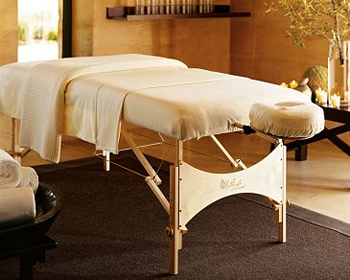
Your massage or bodywork session will take place in a warm, comfortable, quiet room. Soft music may be played to help you relax. You will lie on a table especially designed for your comfort.

Who Will Perform The Massage or Bodywork?
Your session will be conducted by a professional who has received proper training, often in a variety of techniques. In Indiana,  massage and bodywork practitioners are licensed by the state.  Although no two massages are exactly alike, you may request a certain technique or modality. You may also request your preference as to a male or female therapist.

Must I Be Completely Undressed?
Most massage and bodywork techniques are traditionally performed with the client unclothed; however, you may decide what amount of clothing you prefer to wear for your own comfort. You will be properly draped during the session.

Will The Practitioner Be Present When I Disrobe?
The practitioner will leave the room while you undress, relax onto the table, and cover yourself with a clean sheet and coverlet.


Will I Be Covered During The Session?
You will be properly draped at all times to keep you warm and comfortable. Only the area being worked on will be exposed.

What Parts Of My Body Will Be Massaged?
You and the practitioner will discuss the desired outcome of your session. This will determine which parts of your body require massage. A typical full-body session will include work on your back, arms, legs, feet, hands, head, neck, and shoulders. You will not be touched on or near your genitals (male or female) or breasts (female).

Will Lubricant Be Used?
A light oil or lotion may be used to permit your muscles to be worked on without causing
excessive friction to the skin. The lubricants used should hydrate the skin and be readily absorbed.

What Will the Massage Or Bodywork Feel Like?
It depends on the techniques used. In a general Swedish massage, your session may start with broad, flowing strokes that will help to calm your nervous system and ease exterior muscle tension. As your body unwinds, pressure will gradually be increased to relax and relieve specific areas of muscular tension. You should communicate with your practitioner immediately if you feel any discomfort so that another approach may be taken. Massage and bodywork are most effective when your body is not resisting.

What Should I Do During The Massage Or Bodywork Session?
Make yourself comfortable. The practitioner will either gently move you or tell you what is needed throughout the session (such as lifting your arm). Many people just close their eyes and completely relax. Others like to talk during their session. Feel free to ask the practitioner questions about massage and bodywork in general or about the particular technique you are receiving.

Are There Different Kinds Of Massage And Bodywork?
How Long Will The Session Last?
The average full-body massage or bodywork session lasts approximately one hour. A half- hour appointment only allows time for a partial massage session, for instance the neck and shoulders, back, or legs and feet. Many people prefer a sixty-to-ninety-minute session for optimal relaxation. Always allow relaxation time prior to and after the session. Onsite infrared saunas can assist in the relaxation process.

How Will I Feel After The Massage Or Bodywork Session?
Most people feel very relaxed. Some experience freedom from long-term aches and pains developed from tension or repetitive activity. After an initial period of feeling slowed down, people often experience increased energy, heightened awareness,
and greater productivity, which can last for days. Since toxins are released from your soft tissues during a massage, it is recommended you drink plenty of water afterward.

What Are The Benefits Of Massage And Bodywork?
Massage and bodywork can help release chronic muscular tension and pain, improve circulation, increase joint flexibility, reduce mental and physical fatigue and stress, promote faster healing of injured muscular tissue, improve posture, and reduce blood pressure. Massage and bodywork are also known to promote better sleep, improve concentration, reduce anxiety, and create an overall sense of well-being.

Are There Medical Conditions That Would Make Massage Or Bodywork Inadvisable?
Yes. That’s why it’s imperative that before you begin your session, the practitioner ask general health questions. It is very important that you inform the practitioner of any health problems or medications you are taking. If you are under a doctor’s care, it is strongly advised that you receive a written recommendation for massage or bodywork prior to any session. Many practitioners may require a recommendation or approval from your doctor.


Increase the Benefits with Frequent Visits

Here’s the beauty of bodywork: its benefits  are compounded when massage is utilized as a frequent therapy. The more you get, the more it does.

Taking part in this form of regularly-scheduled self-care can play a huge part in how healthy you’ll be and how youthful you’ll remain with each passing year. Budgeting time and money for bodywork at consistent intervals is truly an investment in your health. And remember: just because massage feels like a pampering treat doesn’t  mean it is any less therapeutic. Consider massage appointments  a  necessary  piece  of  your  health and  wellness  plan,  and  work  with  your  practitioner to establish a treatment schedule that best meets your needs.

In response to massage, specific physiological and chemical changes cascade throughout the body, with profound effects.  Research continues to show the enormous benefits of touch—which range from treating chronic diseases, neurological disorders, and injuries,to alleviating the tensions of modern lifestyles. Consequently, the medical community is actively embracing bodywork, and massage is becoming an integral part of hospice care and neonatal intensive care units. Many hospitals are also incorporating on-site massage practitioners and even spas to treat post-surgery or pain patients as part of the recovery process.

Research shows that with massage:

  • Arthritis sufferers note fewer aches and less stiffness and
  • Asthmatic children show better pulmonary function and increased peak air
  • Burn injury patients report reduced pain, itching, and
  • High blood pressure patients demonstrate lower diastolic blood pressure, anxiety, and stress
  • Premenstrual syndrome sufferers have decreased water retention